

Penalties of Missing the Tax Filing Deadline and How to Obtain an Extension
February 27, 2024
The “Anti-Budget” Method: Saving Without Tracking Every Cent
January 5, 2026.
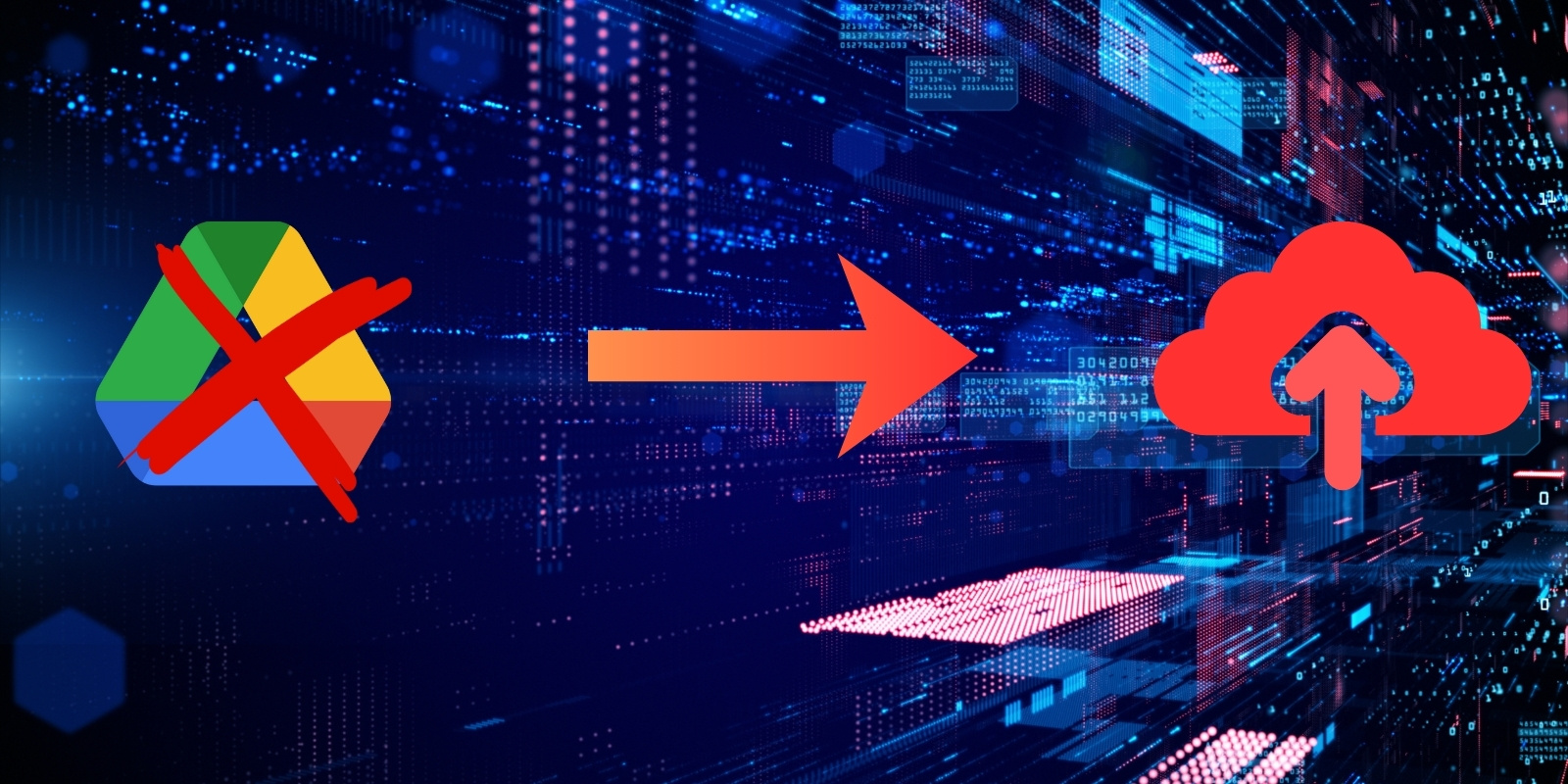
In an era where "the cloud" is simply shorthand for "someone else’s computer," the concept of digital sovereignty has never been more relevant. For over a decade, Google Drive has been the default sanctuary for our documents, photos, and spreadsheets. However, with shifting privacy policies, rising subscription costs, and the occasional horror story of accounts being locked without explanation, many are looking for a way out. Enter Nextcloud: the premier open-source alternative that allows you to host your own private cloud. This guide will walk you through the "why" and "how" of replacing Google Drive with a self-hosted Nextcloud instance, helping you save money and take back control of your digital life.
Why Ditch the Giants?
The primary motivations for moving away from Big Tech providers like Google or Microsoft fall into three categories: Privacy, Cost, and Customization.
-
Data Ownership: When you use Google Drive, your data is subject to their algorithms. While Google’s security is world-class, your privacy is a secondary concern to their business model. Self-hosting means you own the drive, the server, and the encryption keys.
-
Cost Efficiency: Google Drive’s pricing seems low—until you hit the 2TB mark or need workspace features for a family. A one-time investment in a home server or a low-cost Monthly VPS (Virtual Private Server) can provide terabytes of storage for a fraction of the long-term cost of "Drive" subscriptions.
-
The "De-Googled" Ecosystem: Nextcloud isn't just a folder for files. It’s a full productivity suite including Nextcloud Talk (video calls), Contacts, Calendars, and Nextcloud Office (real-time document editing).
Hardware Requirements: What You Need to Start
Nextcloud is surprisingly lightweight but scales with your needs. You have three main paths for hardware:
-
The Budget Route (Raspberry Pi/Old Laptop): You can run Nextcloud on a Raspberry Pi 4 or 5 with an external hard drive. It’s perfect for a single user or a small family.
-
The Prosumer Route (NAS): If you already own a Synology or TrueNAS system, Nextcloud can usually be installed as a "plugin" or via a Docker container.
-
The Reliable Route (VPS): For those who want 99.9% uptime without worrying about home power outages, renting a VPS from providers like Hostinger, Linode, or DigitalOcean for $5–$10/month is a great middle ground.
Recommended Specs for a smooth 2026 experience:
-
CPU: Dual-core (Quad-core preferred for office editing).
-
RAM: 4GB minimum (8GB if running multiple apps like Talk or AI features).
-
Storage: SSD for the Operating System; HDD or high-capacity SSD for data storage.
Installation 101: The "AIO" Method
In the past, installing Nextcloud required manual configuration of "LAMP" stacks (Linux, Apache, MySQL, PHP), which was a nightmare for beginners. In 2026, the Nextcloud AIO (All-in-One) docker image is the gold standard.
Step 1: Install Docker
On a fresh Linux server (Ubuntu 24.04 or 26.04 is recommended), you can install Docker with a few commands. Docker acts as a "container" that keeps Nextcloud separate from the rest of your system, making updates and backups much easier.
Step 2: Run the AIO Container
The AIO image handles the database, web server, and security certificates for you. Once launched, you access a web-based setup wizard.
Step 3: Domain and SSL
To access your files securely from your phone or office, you need a domain (e.g., cloud.yourname.com). Use a free service like DuckDNS or buy a cheap .com. Nextcloud AIO integrates with Let’s Encrypt to provide a free SSL certificate, ensuring your data is encrypted in transit.
Security: Protecting Your Digital Fortress
Self-hosting brings responsibility. If you don't secure your server, you are more vulnerable than you were on Google Drive.
-
Two-Factor Authentication (2FA): This is non-negotiable. Nextcloud supports TOTP (authenticator apps) and hardware keys like YubiKeys.
-
Fail2Ban: This tool monitors your logs for malicious login attempts and automatically bans those IP addresses.
-
Regular Backups: The "golden rule" of self-hosting: If your data doesn't exist in three places, it doesn't exist. Use tools like
rsyncor the built-in AIO backup tool to mirror your data to an external drive or a separate "cold" storage provider.
The Transition: Moving Your Data
Moving years of data from Google to Nextcloud is the most time-consuming part.
-
Google Takeout: Use this service to download all your Drive data in one go.
-
WebDAV or Desktop Client: Install the Nextcloud Desktop Client on your PC. Drag and drop your downloaded Google files into the Nextcloud folder. It will sync to your server in the background.
-
App Integration: Download the Nextcloud app on your Android or iOS device. Enable "Instant Upload" for photos to replace Google Photos immediately.
Conclusion: Is it Worth It?
Replacing Google Drive with Nextcloud is a journey, not a weekend project. You will face learning curves, particularly regarding networking and Linux commands. However, the reward is a "forever home" for your data where no corporation can scan your documents or change the price on a whim.
By following the 101 principles—start small, prioritize security, and use modern tools like Docker AIO—you can build a private cloud that is faster, cheaper, and entirely yours.